Travel Guide · Safari
Your First Safari: Everything I Wish I’d Known
A safari is on almost everyone’s travel wish list, and for good reason — there’s nothing quite like watching wildlife in the wild at first light. But it’s also one of the trickiest holidays to plan well, with a lot of jargon and a huge range of price points. Here’s what I always talk through with first-time safari-goers so the trip lives up to the dream.
Where to Go for Your First Safari
For a first safari, I usually steer people towards destinations with reliable wildlife and good infrastructure: the Masai Mara in Kenya, the Serengeti in Tanzania, or South Africa’s Kruger region. These areas deliver classic “big five” sightings and make it easy to combine the safari with a beach or city add-on.
South Africa in particular is wonderful for first-timers — it’s malaria-free in certain reserves, the flights are convenient, and you can pair the bush with Cape Town and the winelands for a brilliantly varied trip.
Timing and the Seasons
Wildlife viewing is generally best in the dry season, when sparse vegetation and shrinking waterholes concentrate animals and make them easier to spot. The dramatic river crossings of the Great Migration in the Mara and Serengeti are seasonal too, so if that’s on your list, timing matters enormously.
- Dry season (roughly June–October in East Africa) is prime game-viewing time
- Green season is quieter and cheaper, with lush scenery and newborn animals
- The Great Migration moves through the year — plan around where you want to be
- Early-morning and late-afternoon drives are when wildlife is most active
Choosing a Camp or Lodge
This is the decision that shapes the whole experience. Larger lodges are comfortable and often better value; small, intimate camps feel more exclusive and immersive, frequently sitting on private conservancies where you can go off-road and enjoy fewer vehicles at each sighting. Neither is “better” — it depends on your budget and the experience you want.
I always pay close attention to location. A camp set within a wildlife-rich area means more time watching animals and less time driving to find them — which, on a short trip, makes a real difference.
The first time the engine cuts and you’re sitting quietly a few metres from a pride of lions, you understand why people come back again and again.
Practical Things Worth Knowing
Pack light and neutral — many bush flights have strict luggage limits, and bright colours stand out. Bring layers, as early mornings can be surprisingly cold even in hot countries. And don’t over-pack the itinerary: three or four nights on safari is plenty for a first trip, ideally followed by somewhere to relax and absorb it all.
Final Thoughts
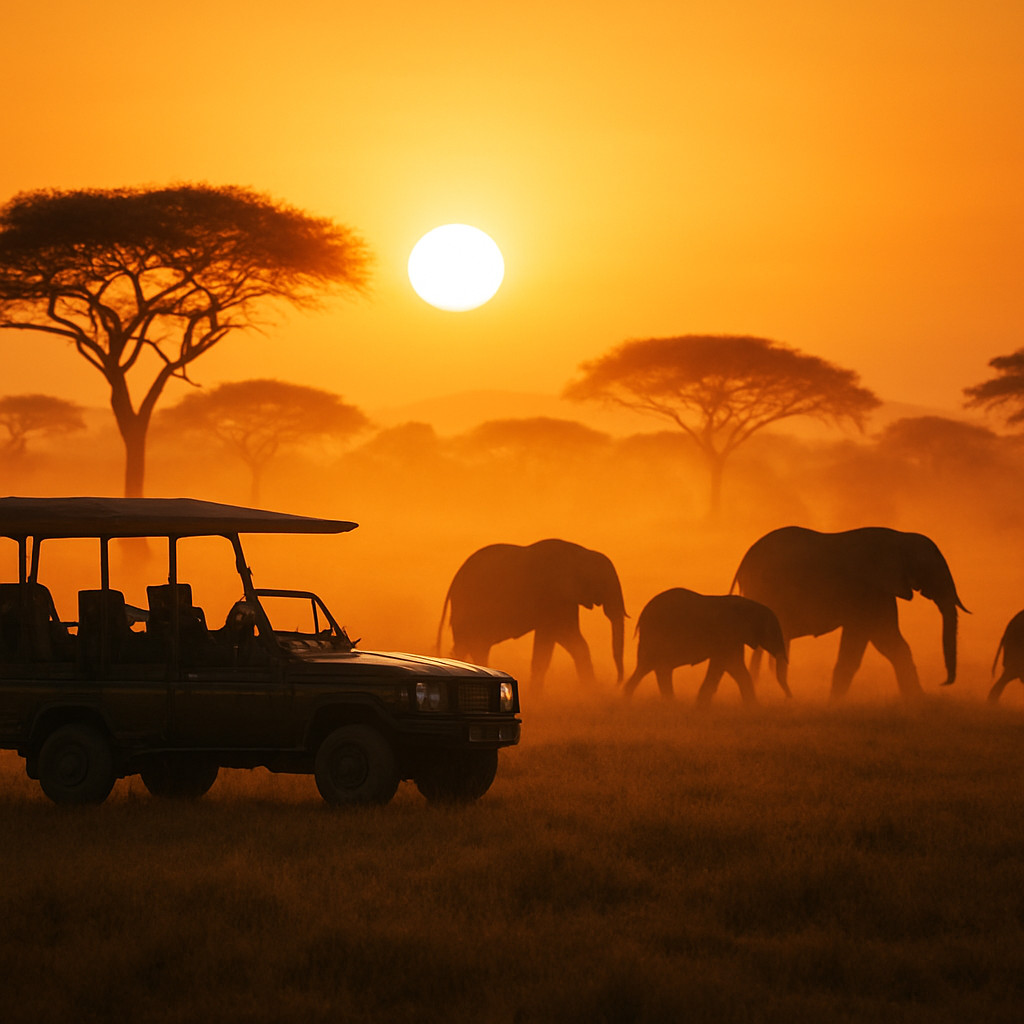
A safari rewards careful planning more than almost any other holiday. If you’re dreaming of your first one, I’d love to help you choose the right region, the right season, and the right camp for you — so all you have to do is sit back and watch the sun come up over the savannah.